

Recently, I attended a compelling webinar hosted by Cyabra, that shed light on one of the most disruptive tactics shaping online discourse globally: RAGE FARMING.
It’s a term we don’t hear often—but it’s far more than a passing trend. Rage farming is a strategic digital weapon designed to manipulate emotions, polarize audiences, and drive engagement through outrage.
Threat actors intentionally exploit emotional triggers—especially anger—to manipulate narratives, amplify misinformation, and fracture public opinion. This tactic isn’t just a digital nuisance; it’s a real-world threat with far-reaching consequences for brands, institutions, and society at large.
If you’re part of a social media, crisis communications, risk, or emergency management team, understanding and mitigating rage farming is no longer optional. It’s essential for identifying emerging threats, protecting your organization’s reputation, and staying ahead of coordinated digital manipulation and content attacks. Beyond the corporate sphere, rage farming also affects individuals and societies around the world—fueling division, spreading misinformation, and eroding public trust. Recognizing its broader impact is key to building a more resilient digital environment for everyone.
How Does Rage Farming Work?
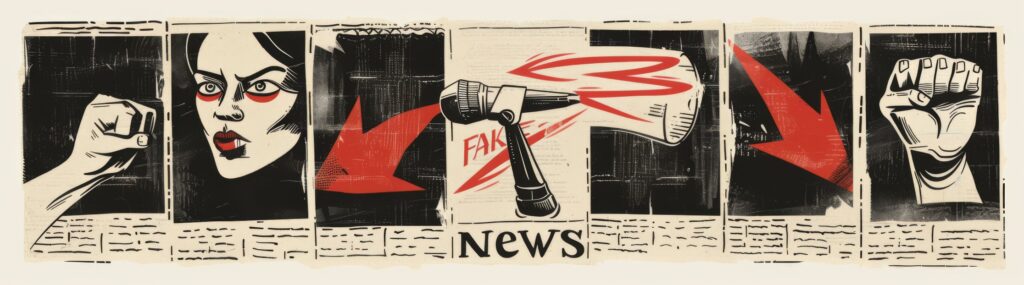
Rage farming is the practice of deliberately spreading inflammatory, misleading, or polarizing content to provoke strong emotional reactions—particularly anger. The goal is to generate viral engagement through shares, comments, and reactions—often supercharged by social media algorithms that favor high-intensity interaction.
While this tactic may benefit those who deploy it—through reach, visibility, or influence—it has serious implications for society as a whole.See content credentials
The Impact on Society
- Erosion of Trust: Rage farming undermines confidence in institutions, media, and personal relationships, increasing cynicism and suspicion.
- Deepening Polarization: It amplifies divisive narratives and entrenches ideological divides, weakening social cohesion.
- Emotional and Mental Fatigue: Constant exposure to outrage-inducing content can lead to anxiety, burnout, and desensitization.
- Spread of Misinformation: Rage farming often prioritizes virality over truth, distorting public discourse and fueling confusion.
- Loss of Civil Dialogue: Respectful, nuanced conversations are crowded out by outrage, making it harder to address complex issues constructively.
Rage Farming Isn’t Just Political—It’s a Corporate Risk
While rage farming is often associated with political discourse, its influence extends far beyond that. Increasingly, brands and large corporations are finding themselves caught in the digital crossfire—sometimes unwittingly—as targets or tools of emotionally charged campaigns. A single comment or post—taken out of context—can spiral into a full-blown crisis, amplified by outrage-driven networks. Even neutral or well-intentioned messages can be twisted to fit polarizing narratives. The more reactions a post generates—especially negative ones—the more it spreads. Algorithms reward it. Audiences amplify it. And sometimes, brands become collateral damage.
How It Affects Corporations:
- Brand Reputation at Risk: A single comment, taken out of context, can spiral into a full-blown crisis when amplified by outrage-driven networks. Even neutral or well-intentioned messages can be twisted to fit a polarizing narrative.
- Misinformation and Boycotts: Rage farming often involves the spread of false or misleading claims. This can lead to calls for boycotts, public backlash, and media scrutiny—regardless of the accuracy of the claims.
- Internal Disruption: Employees and stakeholders may become divided or demoralized if a brand is perceived to take (or not take) a stand on controversial issues under pressure from online outrage.
- Crisis Response Fatigue: The rapid spread of rage-fueled content requires fast, thoughtful responses—placing strain on crisis communication teams and exposing gaps in preparedness.
What Can Brands Do?
- Monitor Early Warning Signals – Use advanced tools to detect narrative manipulation and unusual sentiment spikes.
- Respond with Intent, Not Emotion – Don’t feed the outrage cycle. A measured, values-aligned response is key.
- Train for Digital Crisis Scenarios – Preparedness can mean the difference between a viral moment and a brand disaster.
- Invest in Digital Trust – Build strong, transparent relationships with your audience that can withstand momentary storms.
In today’s landscape, rage farming is more than just noise—it’s a threat vector. As communicators and leaders, we must be equipped to recognize it, resist its pull, and respond with clarity and confidence.
Why hiring the right people matters
In today’s hyper-connected world, a brand’s reputation can be shaped in real time—often faster than traditional crisis response plans can activate. The key to staying ahead of online volatility? Hiring professionals who can see it coming and act fast. These roles are no longer “nice-to-haves”—they’re strategic imperatives:
Key Roles That Make a Difference:
- Social Media Listening Analyst – They track sentiment, trends, and emerging narratives across platforms before they escalate. Their work provides critical early warning signals and positions them as first responders to digital—and sometimes real-time—crises.
- Brand Monitoring Analysts – These professionals ensure brand mentions, media coverage, and customer sentiment are constantly assessed through a reputational lens.
- Digital Threat Analysts – Positioned at the intersection of social media, communications, and security, they detect coordinated attacks, misinformation campaigns, and rage farming tactics before they go viral.
These experts form your frontline defense against digital crises—not just as communicators, but as strategic risk mitigators.
Why This Matters Now More Than Ever:
- Online outrage can be manufactured and engineered
- Misleading narratives spread globally in minutes and misinformation goes viral in seconds
- Brands are expected to respond instantly and authentically

In an era where outrage is currency, rage farming is more than digital noise—it’s a reputational risk vector. For leaders, communicators, and crisis teams alike, the time to prepare isn’t when a crisis hits. It’s now.
Even if you’re not affiliated with a political party, brand or organization, being aware of rage farming is vital. As informed citizens, we all have a role to play. The less we engage with outrage-driven content, the less power threat actors gain—and the more we protect our mental well-being, peace of mind, and relationships with everyone around us.
Looking to safeguard your brand against digital threats like rage farming? Let’s talk.
As a seasoned professional in Social Media, Communications, and Security, I Rada C. specialize in building strategic solutions that keep your digital frontline safe. My practice Inspector Social®️ LLC offers managed services that monitor online discourse, deliver real-time intelligence, and protect your organization from reputational risks.
If you’re ready to take a proactive approach to digital risk and resilience—reach out. I’m here to help you stay informed, prepared, and protected -> hello@inspectorsocial.com